
Learning objective
Many barriers to learning are not in the learner but in the form and structure of the learning material, the environment or the way information is presented.
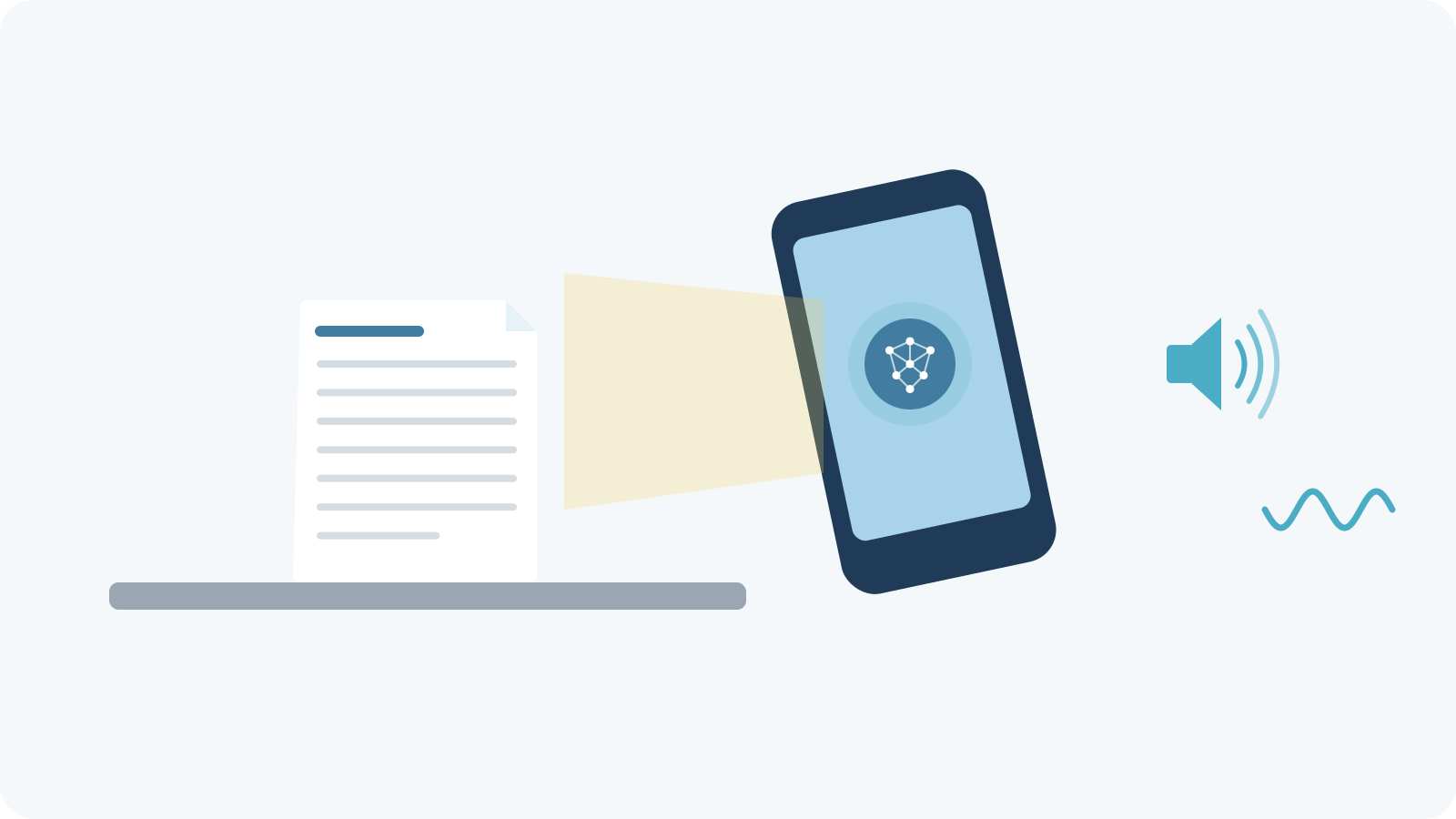
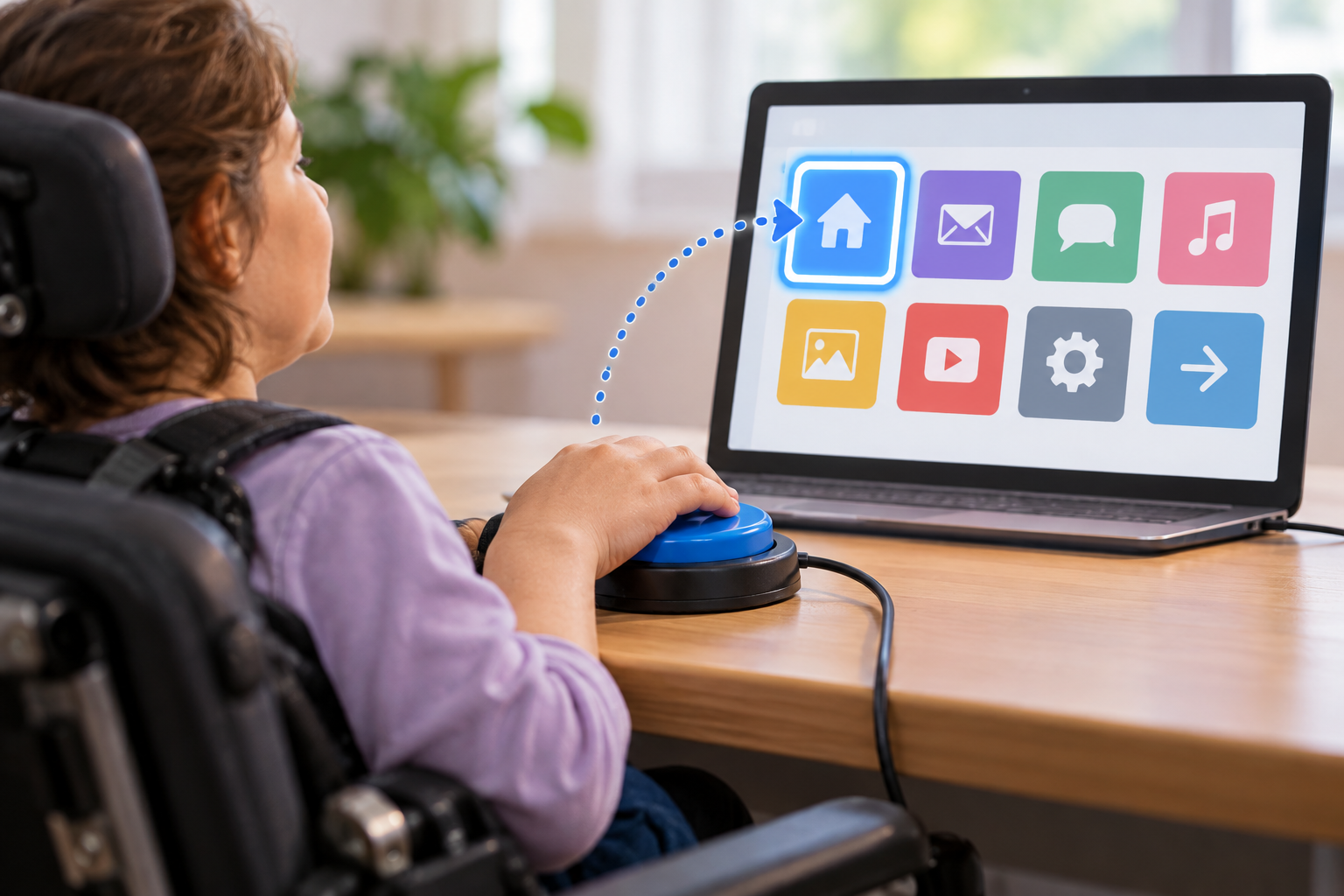
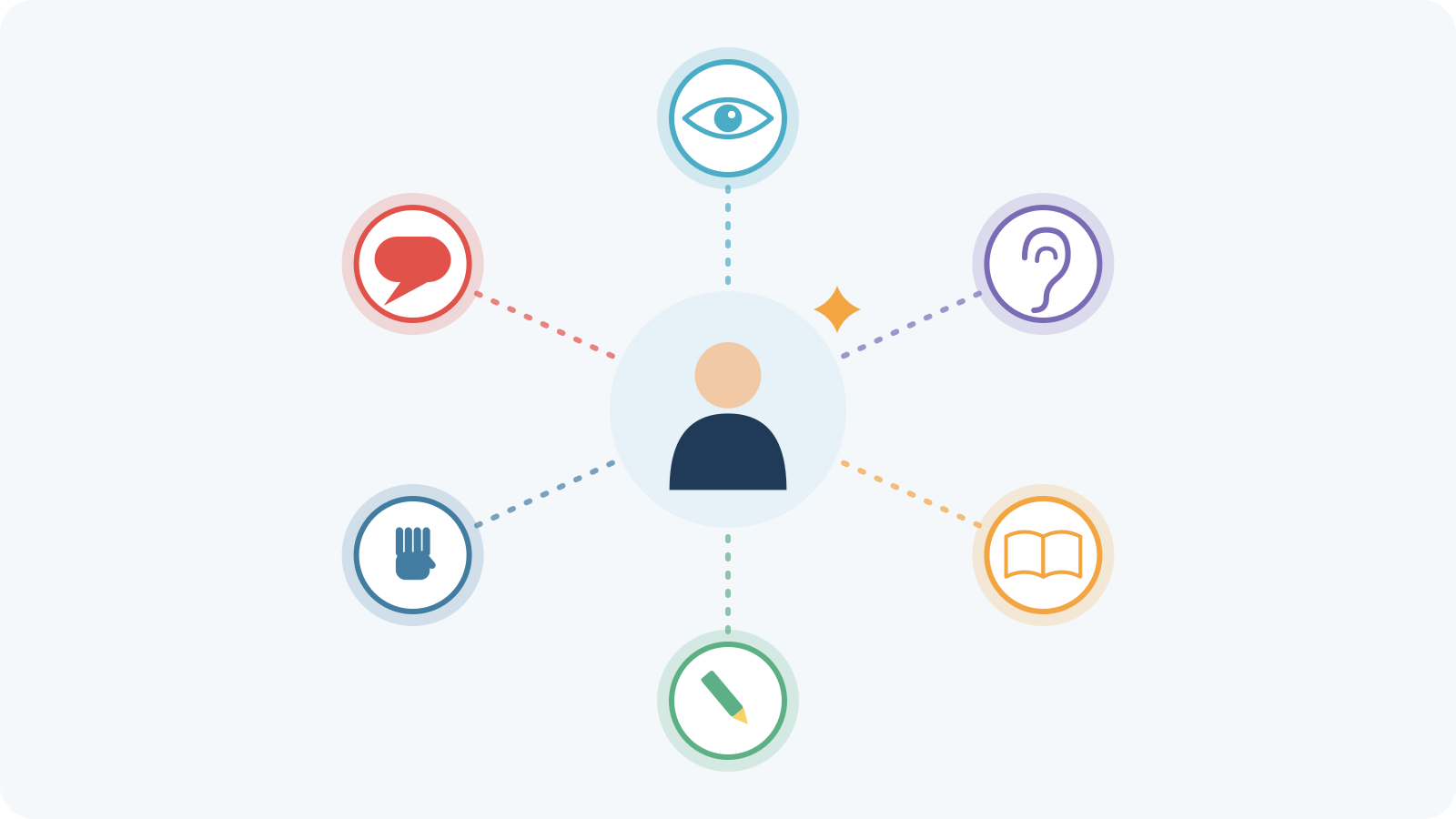
The aim of this learning content is to introduce AI-supported accessibility and assistive technologies that help reduce such barriers in vocational education. By the end of the material, teachers will be able to describe how AI supports vision, hearing, reading, writing, mobility and interaction, select technologies according to learners’ needs, learning goals, classroom context and accessibility principles, and use them in a way that improves access without labelling, excluding or replacing human support.
By the end of this material, you will be able to
- Recognise barriers in learning materials and the learning environment.
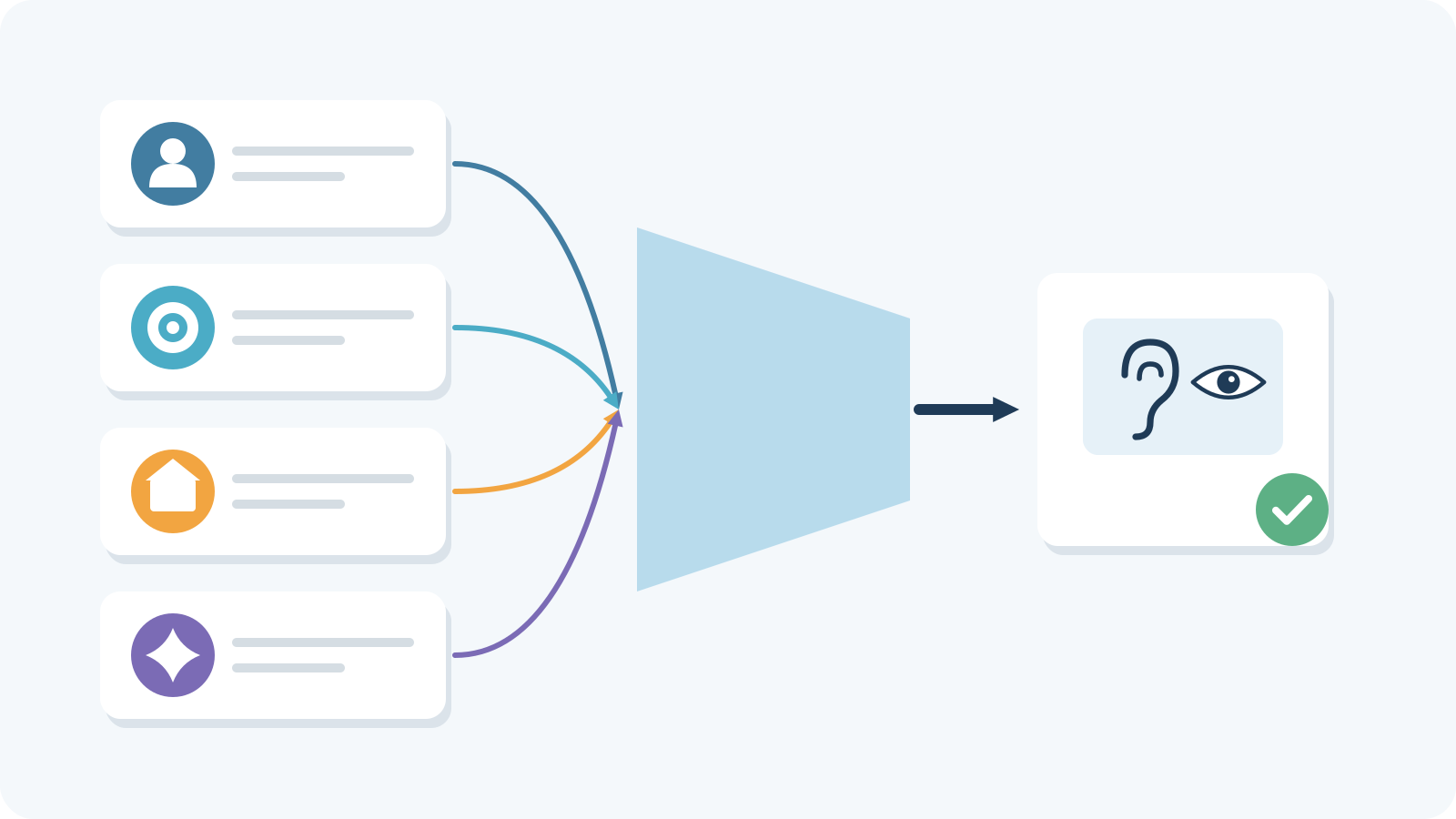
- Select and try tools that improve access according to learner needs and the learning goal.
- Offer useful support to everyone, without labelling or excluding learners.
- Check AI output and data handling while preserving the role of human support.